
What does it take to create an event that genuinely connects with people from different cultures and backgrounds?
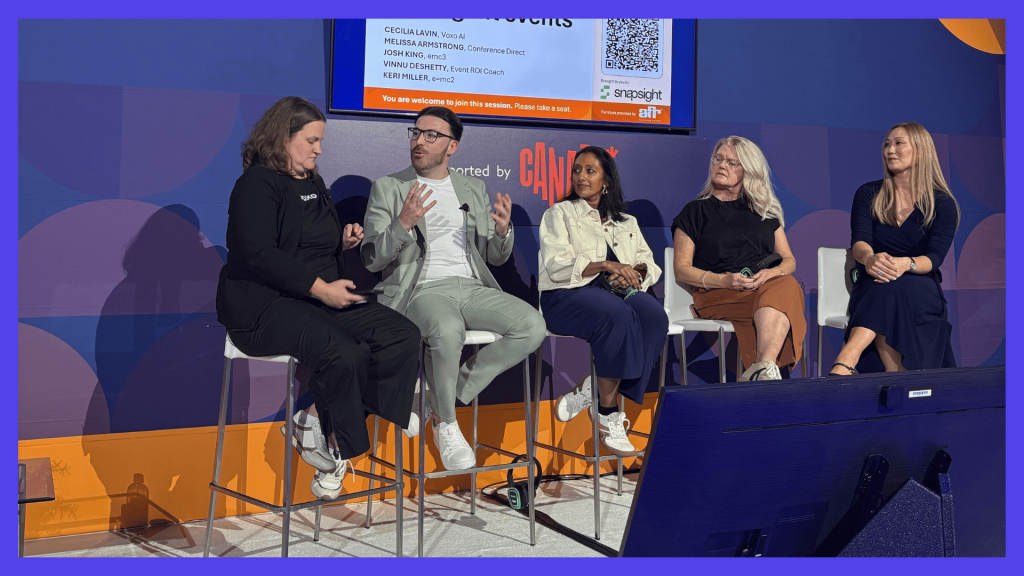
At IMEX America 2026, our VP of Growth, Josh King, joined industry experts for an ILEA-hosted panel on Curating Culturally Intelligent Events, exploring how cultural differences shape everything from audience engagement and communication to event design and delivery.
Following the discussion, the panellists came together to develop a practical 12-step checklist to help event professionals create more thoughtful, inclusive experiences.
From the first strategy workshop to the post-event debrief, here’s what every event professional should be thinking about.
01. Start with strategy: what are we trying to achieve?
Get stakeholders aligned on the mission, vision, KPIs and objectives. What do you want attendees to feel, think and do? Map everyone with a stake (attendees, sponsors, volunteers, community founders, online audiences) and what each needs from the experience.
02. Get to know your audience: don’t assume, ask.
Use research, pre-event surveys, workshops and focus groups to explore people’s wants, needs and expectations. Combine what people tell you with what they do: attendance, participation and return rates. Every room is multicultural, so treat every destination as new, even your home market.
03. Build DEIA into the strategy from day one.
Diversity, equity, inclusion and accessibility should shape the brief and budget from the outset. Make it central, not a tick-box exercise, and give someone responsibility for turning ambition into action. Consider cultural backgrounds, faiths, access needs and neurodiversity throughout.
04. Agree what stays consistent and where you can adapt.
Protect the core message, brand standards and intended outcomes. Keep a golden thread, but adapt the story, not just the language: imagery, emphasis and speaking order may all need to change by market. A shared playbook or events centre of excellence clarifies what’s fixed, what’s flexible and who approves changes.
05. Bring local expertise into the room early.
Involve local colleagues, DMCs, production partners and freelancers while decisions are still open, and give their advice real influence. Ask a trusted local contact: “What five things could derail this?” For acknowledgements, work with Indigenous and community representatives to get names, pronunciation and treaties right, and make them meaningful rather than housekeeping.
06. Check the calendar before you commit.
Review religious observances, public holidays, working patterns, time zones and travel requirements. A shared calendar of cultural and religious dates helps flag clashes. Check venue suitability, transport, local requirements and contingency plans with local partners. A date that works for your team may not work for your audience.
07. Make language part of the whole guest journey.
Ask about language preferences at registration, and plan translated pages, agendas, communications and signage where needed. Check local language rules (e.g. French-first in Quebec). Arrange interpretation and brief speakers in advance. In live production, rehearse cues in the languages your crew will actually work in: “stand by” and “go” can land differently in a second language.
08. Give your content a local sense-check.
Review speakers, stories, imagery, video, humour, entertainment and activations with local input. Will the language, visuals and cultural references connect? Confirm dress expectations, introductions, and seating and speaking order. Test entertainment early; what scores well in one market can miss in another.
09. Give people different ways to get involved.
Offer choices in how attendees ask questions, learn and connect, such as moderated submissions, smaller discussions and structured introductions. Design for neuroinclusion with breaks, quieter spaces and clear expectations in advance. Inclusion includes the option to opt out: segment content or areas that won’t suit everyone, without blocking access to the wider event.
10. Walk through the experience in your guests’ shoes.
Review every stage, from invitation to departure, with people who bring different perspectives, and have your team experience it firsthand as an attendee, speaker or exhibitor. Check dietary needs, meal timings, labelling, alcohol-free options and affordability. Where might someone feel uncertain or overlooked?
11. Set your delivery team up to succeed.
Make responsibilities, approvals and escalation routes clear for everyone involved. Apply the same cultural intelligence to crew and volunteers: understand local work practices and adapt safety onboarding respectfully. People who feel respected are more likely to follow the standards. Make it easy for anyone to flag a concern.
12. Measure belonging, not just satisfaction.
Who attended, who didn’t and why? What did people learn, which connections did they make and what happened afterwards? Where appropriate, explore differences between audience groups while respecting privacy. Bring local partners and frontline teams into the debrief. If you’re collecting data, use it to shape your next event.
Everyone deserves to feel safe, included and engaged at events.
Every planning decision is an opportunity to make that happen.
Let’s make it our industry standard.
About the contributors
This checklist was prepared for Curating Culturally Intelligent Events, hosted by the International Live Events Association (ILEA) at IMEX America 2026.
Contributors:
- Josh King – VP of Growth, emc3 Collective
- Keri Miller – Chief Creative Strategist, e=mc² events & productions
- Cecilia Lavin – Enterprise Account Executive, Voxo AI; Immediate Past International President, ILEA
- Vinnu Deshetty – Event ROI Coach
- Melissa Armstrong – Vice President, Business Development, ConferenceDirect
Prepared for Curating Culturally Intelligent Events, hosted by ILEA at IMEX America 2026.