Events are at the centre of growth, but what actually moves the needle? In 2026 the shift isn’t about bigger builds or louder moments, it’s about content-led experiences, rethinking traditional event formats, and AI evolving from novelty to necessity.
We spoke to industry leaders including Meta, Mastercard, Pinterest, Lenovo, Stripe, Dolby, Tines and across the emc3 Collective, about what event trend predictions they’re expecting to see in 2026.
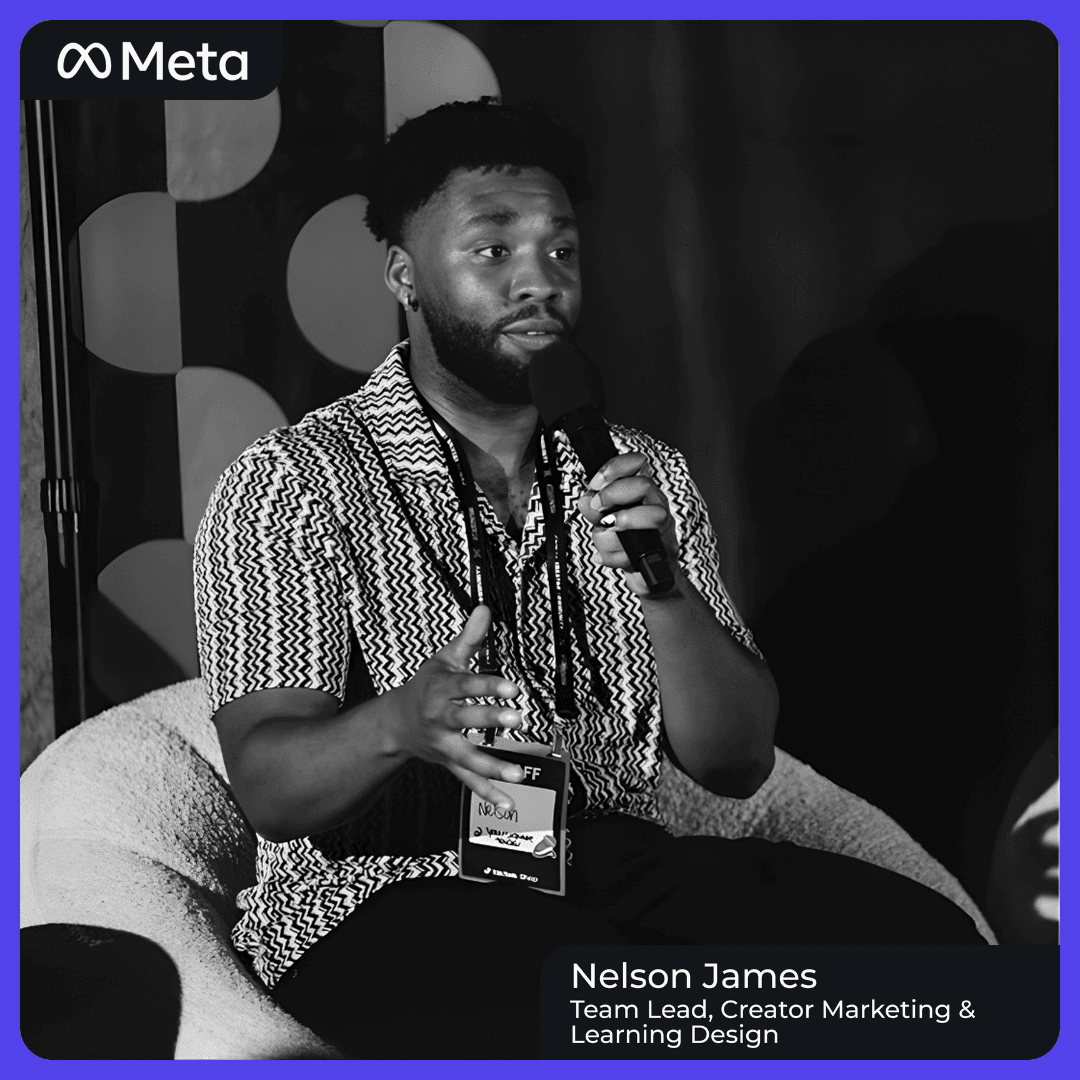
Nelson James
Team Lead, Creator Marketing & Learning Design at Meta, formerly TikTok
What’s the biggest shift you expect to see in events in 2026 and why?
Events will no longer treat creators as talent brought in at the end, but as co-architects of the experience. The most impactful moments weren’t produced top-down, they emerged when creators shaped the narrative, format, and energy in real time. Audiences now expect events to feel participatory, remixable, and culturally fluent. If an event doesn’t feel like something people would organically clip, repost, or build on, it’s already behind.
What’s something the industry still isn’t talking about enough but should be?
The industry still underestimates how quickly audiences can detect inauthenticity. Brands say they want “creator energy,” but often sanitise it through corporate processes until it’s unrecognisable. Culture moves faster than approvals, and over-polished experiences lose trust. Events need to design for risk, not just control: room for spontaneity, imperfection, and creators having real agency. Until teams are willing to let go of tight scripts and embrace cultural tension, they’ll keep producing events that look good on decks but fall flat IRL.
What’s one thing that will become non-negotiable for event success in 2026?
Build events the way platforms build features: testable, iterative, and shaped by the people who actually influence behaviour. It’s important to design formats that feel native to how people already create and consume content.
One-sentence 2026 outlook
The future of events isn’t larger production, it’s deeper integration with culture.
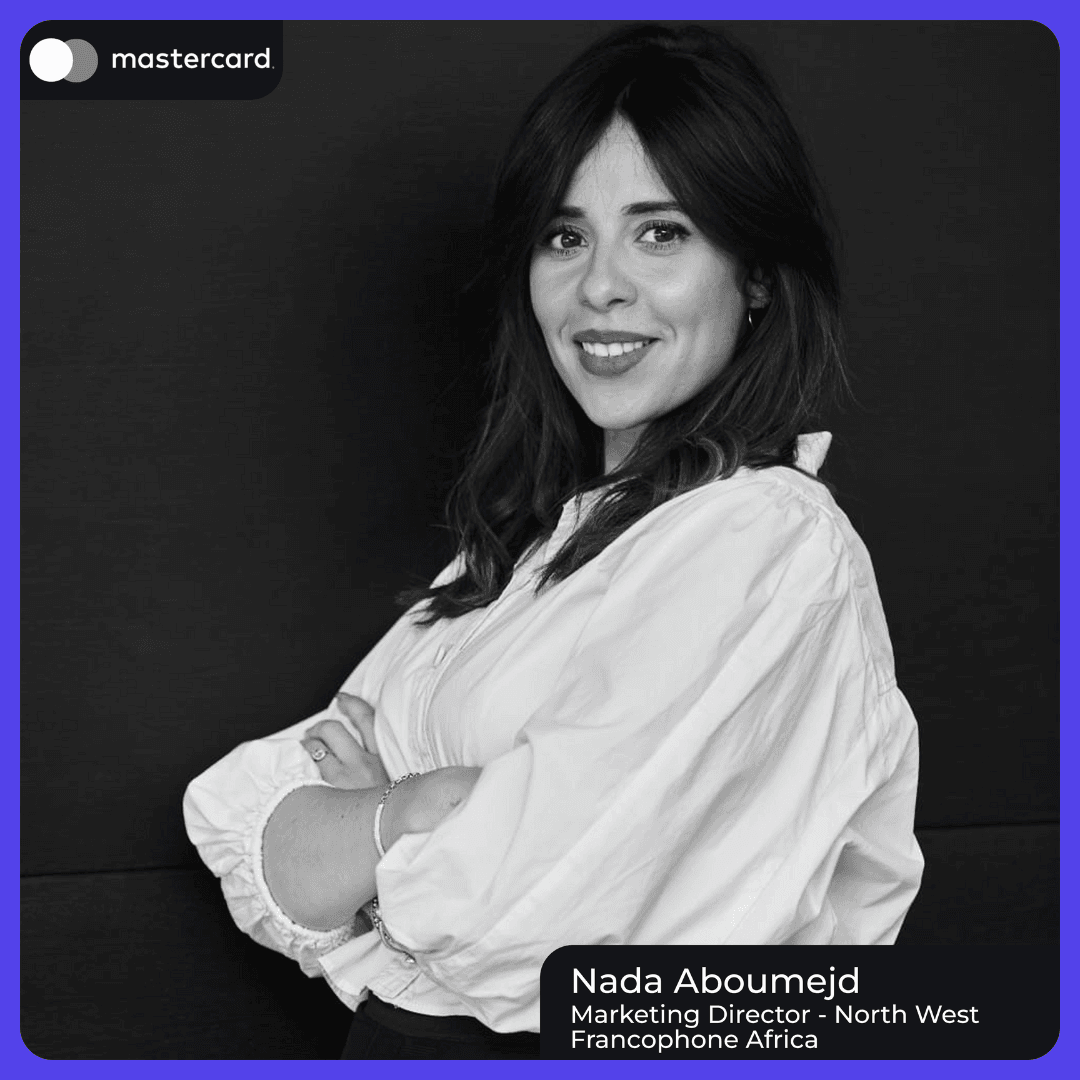
Nada Aboumejd
Marketing Director – North West Francophone Africa at Mastercard
What’s the biggest shift you expect to see in events in 2026 – and why?
Your B2B audience is the same person scrolling TikTok – start treating them like it.
The end of the divide between B2B and B2C. Attendees behave like consumers: they scroll, they swipe, they multitask, and their expectations are shaped by social platforms, not conference rooms. This means B2B events must deliver emotion, velocity, storytelling, visual punch, and frictionless experiences. People want to feel connected, not lectured. If brands want attention, they must design events that speak the same language as the feeds their audience lives in – fast, human, personalised, and visually powerful.
What’s something the industry still isn’t talking about enough – but should be?
How urgently we need to break the FOMO barrier. Too many events still live behind closed doors, creating value only for the people physically in the room. Cannes Lions showed a new path when it partnered with LinkedIn: the festival’s ideas didn’t stay in the Palais – they travelled globally through the platform, reaching millions who never attended. This is the shift we’re missing. Events must be designed to escape the room, amplify through social giants, and exist where our audiences actually live: online, everywhere, all the time.
What’s one thing you believe will become non-negotiable for event success in 2026?
The fusion of immersive creativity with intelligent technology. People don’t want to watch another panel – they want worlds, stories, and experiences that feel alive. But they also expect AI to guide them through it: personalised routes, smart networking, live content suggestions. Creativity grabs attention, but AI keeps it. Events that don’t blend both will feel outdated. Success will come from designing environments that wow emotionally and adapt intelligently – a balance of art and algorithm.
If you had to sum up your 2026 outlook in one sentence, what would it be?
B2B becomes B2Human: emotional, personalised, immersive – built to escape the room.
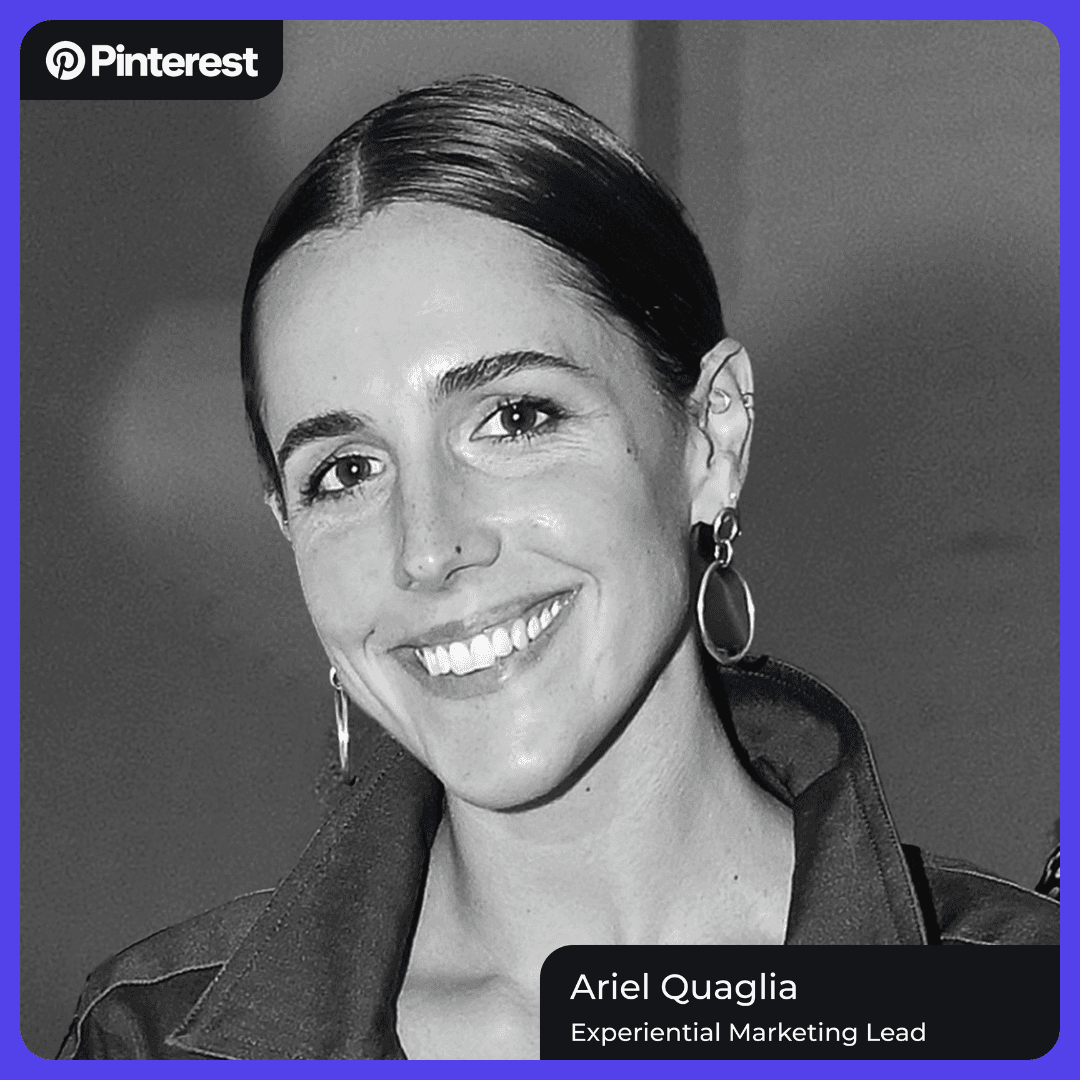
Ariel Quaglia
Experiential Marketing Lead at Pinterest
What’s the biggest shift you expect to see in events in 2026 – and why?
In 2026, I think we’ll see events undergo a decisive shift towards simpler, higher-quality, and more deeply human experiences – ones that feel genuinely worth people’s scarcest resources: their time and energy.
As the world grows louder and more automated, audiences are showing clear signs of fatigue from constant stimulation, ever-evolving tech, and endless attention-grabbing algorithm-driven content. In response, they’re beginning to gravitate toward brands and gatherings that prioritise wellbeing, emotional resonance, and a sense of identity over spectacle.
We’ll see events begin to function as modern third spaces – communal, nourishing environments designed to protect joy, foster creativity and invite presence. We’ll see a resurgence in analog-driven experiences and pastimes, and in 2026 the most successful activations will be those that deliberately slow things down, build for community, and restore connection instead of competing for attention.
What’s something the industry still isn’t talking about enough – but should be?
Too often we see brands chase bigger, louder, flashier activations built up and out with more tech, more content, more free stuff without pausing to assess if this notion of ‘more’ is actually better – if it actually enhances the guest experience or the story that’s being told. There’s an inherent impulse to keep up with the fast paced nature of the event industry and it feels counterintuitive to pause, to reduce, to slow down. But in actuality, doing so allows teams to be more intentional with the experiences they create.
It’s easy to lose sight of what it’s like to be in the attendee seat and we (event marketers) oversell when what we should be doing is asking, “Is this of value? Would I actually enjoy this?”
What’s one thing you believe will become non-negotiable for event success in 2026?
Having a point of view and meeting your audiences where they are! The most impactful experiences will be built from what YOUR brand or creative team can authentically offer.
Differentiation won’t come from chasing trends or formats, but from expressing an intentional perspective and building an experience that highlights how you stand out. Imitation, once framed as flattery, now does the opposite. It contributes to more of the same – blurring relevance, eroding memorability and feeding a growing sea of sameness that audiences are increasingly disengaged from.
If you had to sum up your 2026 outlook in one sentence, what would it be?
2025 events chased stimulation; 2026 events will demand presence.
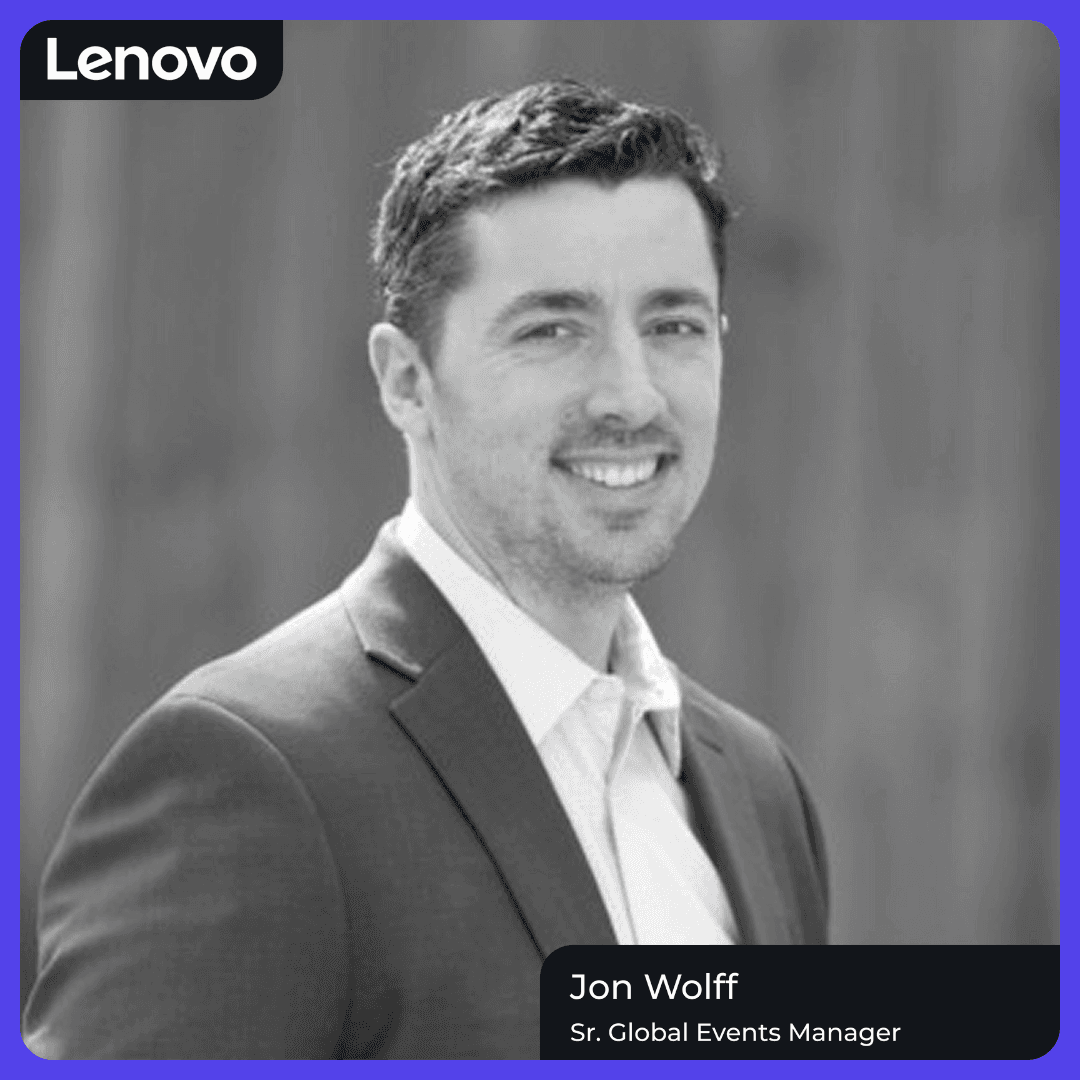
Jon Wolff
Sr. Global Events Manager at Lenovo
What’s the biggest shift you expect to see in events in 2026 – and why?
A move toward intentionally designed experiences built within real organisational capacity. Teams are being asked to do more with finite resources, while audiences are demanding greater relevance and value. As a result, we’ll see fewer, more purposeful events – designed with clarity around audience, outcomes, and execution realities. The focus will shift from scale and frequency to coherence and impact, with success defined by what teams can deliver exceptionally, not exhaustively.
What’s something the industry still isn’t talking about enough – but should be?
The cost of overextension. Ambitious roadmaps often ignore execution bandwidth, leading to burnout, fragmented experiences, and diluted results. There’s pressure to chase every format, trend, and moment, when the real opportunity lies in saying ‘no’ more often. In 2026, teams that are clear on priorities, align early with leadership, and design experiences they can actually sustain will create stronger outcomes, for their audiences and their people.
What’s one thing you believe will become non-negotiable for event success in 2026?
Intentional design anchored in both audience value and operational reality. Every event must clearly earn its place by answering who it’s for, why it matters now, and what success looks like, without overtaxing teams. This means fewer disconnected touchpoints and more cohesive experience ecosystems, where each element reinforces a shared narrative. Events that respect audience time and internal capacity will outperform those driven by volume or vanity metrics.
If you had to sum up your 2026 outlook in one sentence, what would it be?
The future of events isn’t bigger, it’s more intentional.

Dania Riad
Executive Briefing Centre Lead, London, at Stripe
What’s the biggest shift you expect to see in events in 2026 – and why?
Human-centric experiences, fuelled by AI and technology. We are moving into an era where technology serves as the infrastructure for user-centricity. By leveraging deeper audience insights, we can move towards further hyper-personalised journeys. This shift allows us to facilitate the kind of intentional, peer-to-peer connections that turn an event into a compounding long-term loyalty for both the attendee and the brand.
As we fundamentally think about how we build brand experiences, there are three key levers that come to mind:
- Hyper-personalisation: evolving from static agendas to immersive experiences and content delivery. By treating AI as a digital concierge, we can proactively surface insights and content that are hyper-targeted to the individual.
- Deeper engagement: using guest insights to curate high-relevance interactions – from 1:1 sessions to 10-person roundtables – we facilitate the expert-to-expert exchanges that build durable connections.
- AI-enabled execution: up-levelling both the attendee experience and the strategic/operational execution. By using predictive insights to drive experience, and automate logistics, we free up teams to focus on the high-touch human moments that drive long-term community loyalty.
The opportunity for 2026 lies in using these technical tools to remove friction, placing the attendee at the centre of the experience.
What’s something the industry still isn’t talking about enough – but should be?
Engineering the guest-first experience.
The most impactful event strategies in 2026 will be those who treat AI not as a gimmick, but as a tool to support attendee-centric experiences. In a landscape increasingly driven by automation, the real opportunity lies in using the underlying infrastructure of AI to facilitate genuine human delight. I have found that highest value experiences are created when we genuinely put the attendee at the centre – using insights at our disposal to do so. Whether it’s showcasing an offering or product, or tailoring content to their specific friction points, success in 2026 means using technology to amplify, rather than replace, the human experience.
What’s one thing you believe will become non-negotiable for event success in 2026?
Agentic infrastructure: In 2026, the divide between “standard” and “impactful” events will be defined by the implementation of AI as a core operating layer rather than a peripheral tool. I have found that the most resilient teams are those using AI to solve a two-sided problem: up-levelling the attendees experiential engagement while simultaneously hardening the strategic operations behind the scenes.
By moving away from traditional content, AI allows us to deliver hyper-targeted content that adapts to attendees’ insights, and on the backend, these tools are transforming the efficiency of operational planning. The opportunity now is to leverage this infrastructure to move past one-size-fits-all programming and build tailored experiences that deliver lasting value.
If you had to sum up your 2026 outlook in one sentence, what would it be?
The most impactful events will treat AI not as a novelty, but as the underlying infrastructure that turns passive attendance into sustainable communities with lasting brand value.
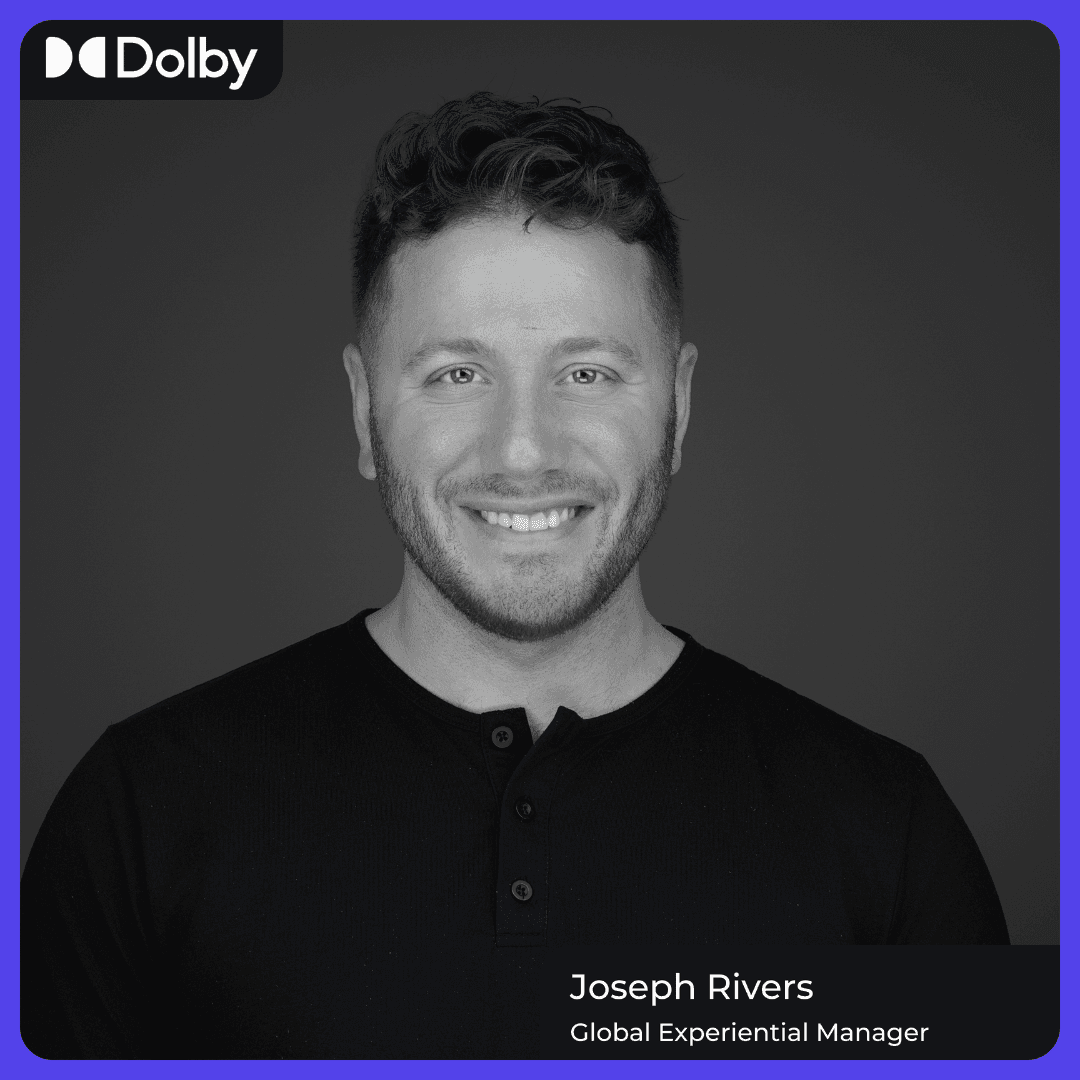
Joseph Rivers
Global Experiential Manager at Dolby
What’s the biggest shift you expect to see in events in 2026 – and why?
An approach toward sports is already happening. In the states and abroad, sports are becoming an epicentre of experiential. The behaviour, along with it will be easily noticeable as B2C tends to always be where budgets are allocated. B2B will be around, but we won’t see as many events.
What’s something the industry still isn’t talking about enough – but should be?
The fact that more associations and publications are covering experiential than ever before. We have so many events to attend, so many podcasts, so much everything. Yet, our industry still doesn’t get the love it deserves. We see agencies merging and conglomerates consolidating or closing legacy agencies in the traditional ad world – we need more coverage and recognition of our industry.
What’s one thing you believe will become non-negotiable for event success in 2026?
We must continue to see B2C focus on inclusivity – allowing the general public or audience to engage in such a moment. B2B will always have components of exclusivity. B2C, while useful to be exclusive in premier experiences, should always have a state of openness.
If you had to sum up your 2026 outlook in one sentence, what would it be?
It will be a combination of storytelling through open roam and linear-driven experiences. The events and experiential world will see the intersection of both of these. With sports events, more focused B2B events, and pop ups like Netflix House or others.
Experiential, at its core, is about engaging all or one of the senses to create a memorable experience with a brand and allow for a cathartic response on an emotional level.
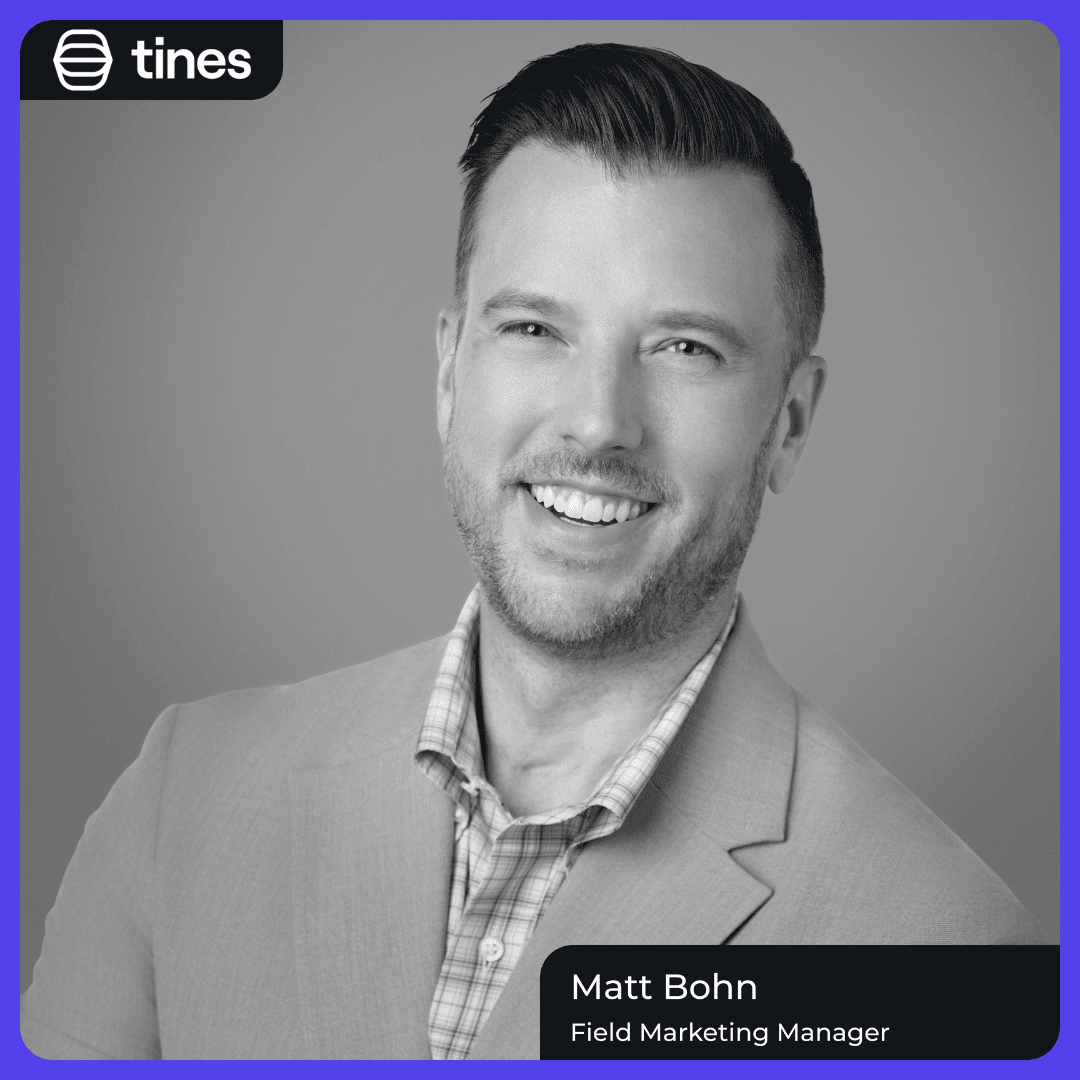
Matt Bohn
Field Marketing Manager at Tines
What’s the biggest shift you expect to see in events in 2026 – and why?
The shift toward hyper-curation will accelerate. As the noise of competition peaks, generic experiences won’t cut it. With budgets remaining flat, brands may reduce sponsorship quantity to focus on fewer, high-impact activations where they can dominate. We will see teams prioritise deep personalised education, use bite-sized virtual engagements to extend the event lifecycle, and align closely with partners to drive net new registrations. Ultimately, to win the battle for attention, we must trade commonplace acquisition tactics for evolved ‘surprise and delight’ moments that make an event feel tailored, exclusive, and undeniably shareable.
What’s something the industry still isn’t talking about enough – but should be?
Our industry has splintered into micro-specialisations like Field Marketing, Brand Activation, Experiential, Community, and Corporate Events. While deep expertise is valuable, the unintended consequence is that we’ve built strategic silos. Organisations strive to be “omnichannel,” yet the evolution of these distinct roles often keeps us operating on separate islands with competing KPIs and disjointed calendars.
We need to shift the conversation from role definition to functional integration. Imagine if field teams actively drove webinar attendance, or regional roadshows fed directly into a global conference. The future isn’t just about executing events; it’s about breaking down internal walls so every touchpoint actively fuels the next.
What’s one thing you believe will become non-negotiable for event success in 2026?
The standard for success will be radical efficiency. With inflation driving up travel, F&B, freight, etc…, flat budgets effectively feel like cuts. We are back in that familiar industry cycle where leadership expects us to “make magic happen” again.
To succeed, we must once again evolve. Rather than stepping away from high-cost, flagship conferences, we need to consolidate and reimagine our strategy. We must lean on our resilience to prove that high-impact, smart design is what drives real connection. This ensures that when we do spend on scale, it delivers maximum value to our attendees.
If you had to sum up your 2026 outlook in one sentence, what would it be?
The future belongs to the unifiers who bridge our internal gaps to build a seamless, high-impact engine that turns every attendee touchpoint into a moment of genuine value.
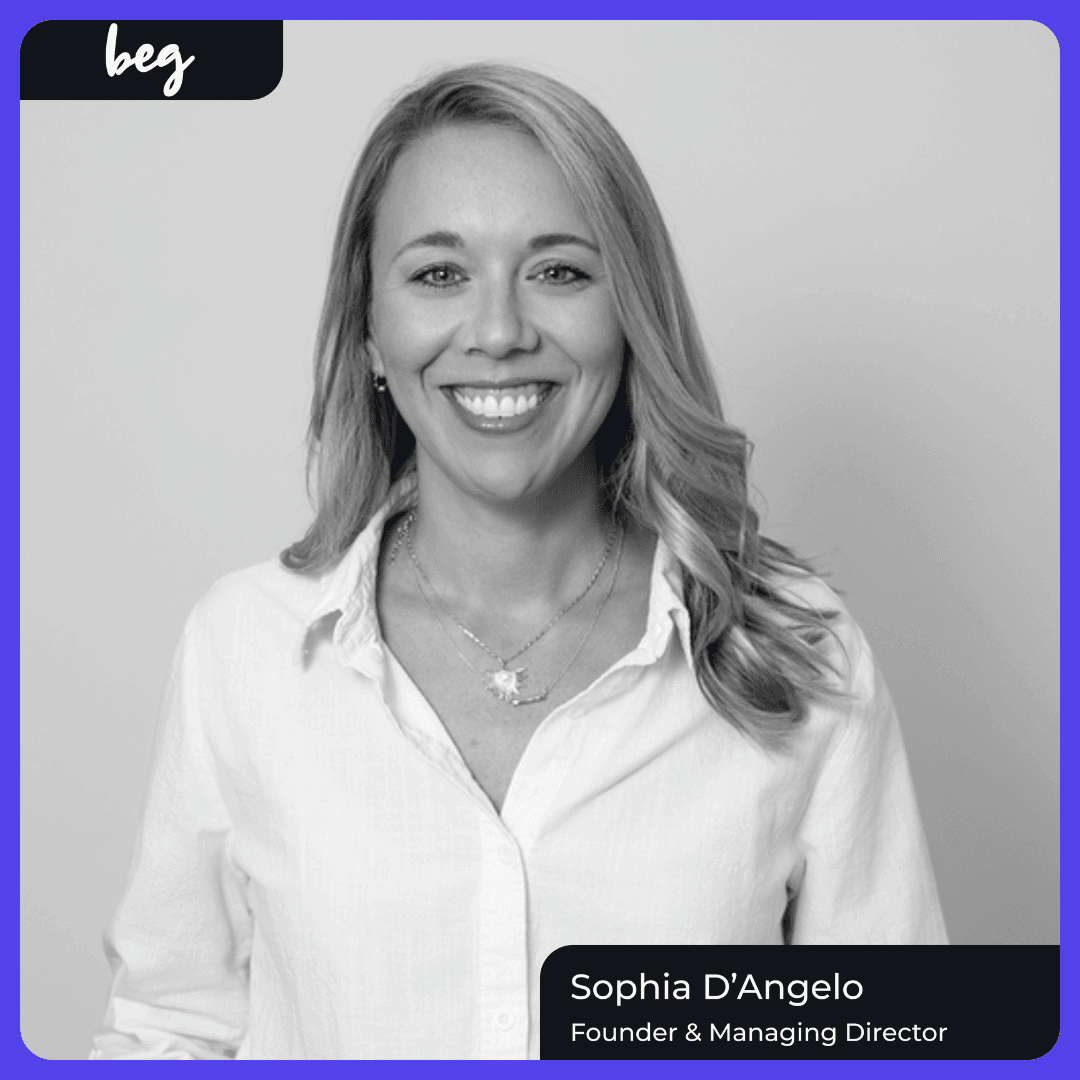
Sophia D’Angelo
Founder & Managing Director at BEG – part of the emc3 Collective
What’s the biggest shift you expect to see in events in 2026 and why?
Audiences will no longer tolerate “pretty but pointless” events. People are more selective with their time, attention, and energy than ever, and they can feel immediately when something is surface-level. The events that will win are the ones that offer real value whether that’s access, connection, education, joy, or a moment that genuinely makes someone feel something.
I’m also seeing a move away from one-off, splashy moments toward experiences designed to live beyond the event itself; modular builds, tourable concepts, content capture baked in from the start, and activations that earn their footprint because they serve a clear purpose for both brand and audience. Less excess, more intention.
What’s something the industry still isn’t talking about enough but should be?
The true cost of RFPs and pitches. Putting together a thoughtful, strategic pitch takes an enormous amount of time, senior brainpower, and unpaid labor, especially for smaller, independent agencies. Creative, renderings, budgets, production plans, and internal alignment all add up fast, and that cost is rarely acknowledged.
What I hear far too often is that brands already expect to stay with the incumbent, but run a full pitch process anyway just to see what’s out there. That’s incredibly expensive for agencies and unsustainable long term. If you’re not genuinely open to change, should you be asking teams to invest weeks of work proving themselves? The industry needs more transparency, fewer beauty contests, and real respect for the time and expertise it takes to pitch well.
What’s one thing you believe will become non-negotiable for event success in 2026?
Clarity of purpose. Every event needs a sharp answer to “why does this exist?” and “who is this truly for?” before a single creative decision is made. When that clarity is missing, budgets get bloated, teams spin, and audiences disengage.
When it’s clear, everything gets easier. Creative aligns faster, spend gets smarter, partners understand their role, and the experience feels cohesive instead of cluttered. The best events I’ve produced recently weren’t the biggest, they were the most intentional.
If you had to sum up your 2026 outlook in one sentence, what would it be?
In 2026, the events that matter most won’t be the loudest but the ones that feel purposeful, human, and worth showing up for.